When a property is being cleared, rebuilt, or reshaped, the first major step is often demolition geelong. For homeowners, developers, and builders, demolition is not just about removing an old structure.
It is about creating a safe, workable site that supports everything that comes next, including boundary fencing, driveway gates, landscaping, and the overall presentation of the finished property.
That matters even more on a website like Homestead Gates and Fencing, where the end goal is often a cleaner, more secure, and more polished outdoor space. Before a new fence line goes in or an automatic gate is installed, the site itself needs to be stable, accessible, and properly cleared. Good demolition work helps make that possible.
Why demolition affects more than the building itself
Many people think demolition begins and ends with knocking down a house, garage, shed, or old structure. In reality, it affects the entire property layout. Once a building comes down, access points change, waste has to be removed, levels may need adjustment, and the condition of the boundaries becomes much more important.
This has a direct impact on fencing and gates. If a site is left uneven, cluttered, or full of leftover rubble near the perimeter, installing new fencing becomes harder and more expensive. Posts may not line up properly, excavations take longer, and access for materials or machinery can become a problem. In other words, poor demolition often creates avoidable work for the next trade.
By contrast, a well-managed demolition job leaves the site ready for the next stage. That means cleaner boundaries, fewer obstructions, and a much smoother path toward new fencing, sliding gates, swing gates, or general perimeter upgrades.
The link between demolition and boundary planning
One of the most overlooked parts of any demolition project is what happens at the edges of the block. Property owners tend to focus on the main structure, but boundary lines often become the most practical issue once work begins. Old fences may be damaged during demolition, access points may need to be widened, and temporary barriers may be required to keep the site secure.
That is where proper planning pays off. If the demolition contractor and the fencing contractor are thinking ahead, the property owner can avoid doing the same work twice. For example, if an old garage close to a side boundary is being removed, that may be the ideal time to assess whether the fence on that side should also be replaced. If a front structure is being cleared to make way for a rebuild, it may also be the right moment to plan a wider driveway opening or a more suitable gate layout.
Demolition creates an opportunity to rethink the full site design. Instead of treating fencing as a completely separate job, it makes more sense to see it as part of the broader site transformation.
Common situations where demolition and fencing overlap
On many Geelong properties, demolition and fencing are closely connected. This is especially true for homes that are being rebuilt, investment properties being upgraded, or commercial sites preparing for a new use.
These are some of the most common examples:
-
An old house is demolished, and temporary fencing is needed before construction begins.
-
A garage, shed, or workshop is removed, leaving part of the side or rear boundary exposed.
-
A front fence is taken out to allow demolition access, then replaced with a new gate and fence system later.
-
A commercial strip-out or building removal changes traffic flow, making a new gate layout necessary.
-
Landscaping and retaining work after demolition alters fence heights, post depths, or boundary levels.
In each case, the demolition stage influences what kind of fencing solution will work best afterward. A property owner who plans both stages together usually saves time, avoids rework, and ends up with a better final result.
Site access is a big deal
Access is one of the main reasons demolition and fencing should be considered together. Demolition crews need enough room to bring machinery in, move waste out, and work safely around the site. Fencing contractors also need practical access for digging, concreting, lifting panels, and installing posts or gate hardware.
If the access strategy is poorly planned, the site can become a bottleneck. A narrow opening may slow demolition equipment. A temporary fence may end up in the wrong place. A new gate installation may be delayed because the ground was not prepared properly after demolition. These are not unusual problems. They happen when each stage is treated in isolation.
A more practical approach is to map out the site in sequence:
-
What needs to be demolished?
-
What access does the demolition crew need?
-
What temporary safety barriers are required?
-
What the finished site should look like.
-
Where the final fence and gate system will sit.
That sequence helps prevent wasted effort. It also gives every contractor on-site a clearer understanding of the end goal.
Temporary fencing and site security
Once demolition starts, site security becomes more important. A cleared site is often more exposed than a built-up one. Without walls, locked garages, or existing barriers, the property may be easier to enter. That creates risks for safety, theft, liability, and neighbor concerns.
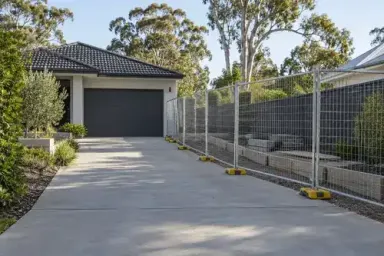
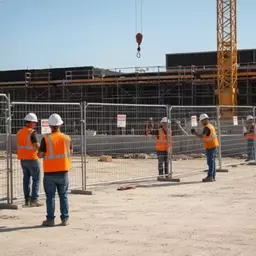
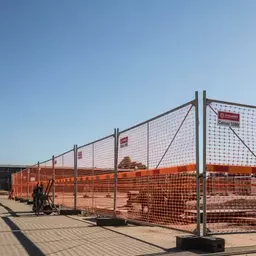
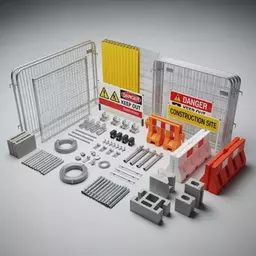
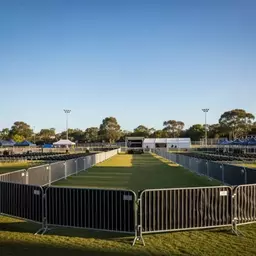
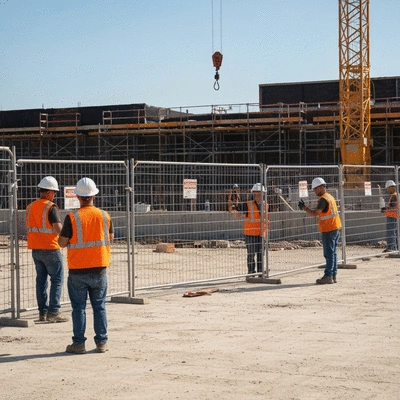
Temporary fencing is often the practical answer during the gap between demolition and the next build stage. It helps define the site boundary, protects the public, and gives the owner more control over access. On projects where permanent fencing will be installed later, temporary fencing fills the short-term need without rushing the final decision.
This is particularly useful on residential streets where a clean and secure site matters to the neighborhood. It is also useful on rural or semi-rural blocks where open access can create issues with vehicles, animals, or unauthorized dumping. From a presentation point of view, secure boundaries make the site look more organized and professionally managed.
Planning the final fence after demolition
Demolition is often the best time to think ahead about the final fence and gate design. Once the old structure is gone, property owners can see the block more clearly. They can assess sight lines, driveway width, slope, vehicle access, pedestrian flow, and how much privacy or security they want from the finished boundary.
This is where a fencing specialist adds real value. Instead of simply replacing what was there before, the owner can choose a boundary solution that suits the new layout. That might mean a wider front gate for easier vehicle access, a taller side fence for privacy, or a cleaner, modern style that matches a new home design.
Some useful questions to ask at this stage include:
-
Will the rebuild change the driveway position?
-
Does the block need better side access?
-
Should the front gate be manual or automatic?
-
Will the new fence be decorative, secure, or both?
-
Does the ground need levelling before new posts go in?
Thinking about these questions early helps the project move faster once demolition is complete. It also reduces the chance of installing a fence that does not suit the final layout.
Why coordination saves money
A lot of property owners lose money not because the work is expensive, but because the work is repeated. A fence gets removed and reinstalled twice. Access is created in the wrong place. Debris stays too close to the boundary and has to be cleared again before installation. None of these mistakes is dramatic, but they all add cost.
Good coordination between demolition and fencing avoids that waste. It allows the site to move from one stage to the next with fewer delays and fewer surprises. For homeowners, that means less stress and a clearer budget. For builders and developers, it means better sequencing and fewer hold-ups across the project.
On a practical level, the best results usually come when property owners think of demolition as the first stage of site improvement, not just the destruction stage. Once that mindset shifts, it becomes much easier to plan fencing, gates, access, and external works in a way that supports the finished property.
A better result starts with the groundwork
Whether the project is a knockdown rebuild, a backyard overhaul, or a commercial redevelopment, the quality of the finished property depends heavily on what happens at the start. Demolition clears the way, but it also shapes the conditions for everything that follows. When the site is prepared properly, boundary work becomes easier, cleaner, and more effective.
For a fencing and gates audience, that is the real takeaway. Strong boundaries, smooth access, and a polished final look do not begin with the last contractor on site. They begin with smart planning from day one, starting with demolition and carrying right through to the final fence panel and gate installation.