A temporary fence access brief tells the provider how the property needs to function while the fence is in place. Include the activities that must continue, the belongings that may leave and the dates still awaiting confirmation. This information supports a site assessment before anyone settles the layout.
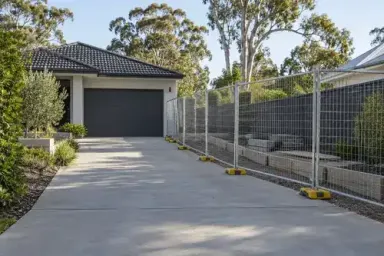
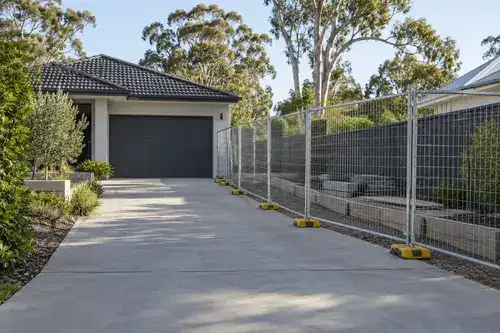
An existing driveway or garage entrance can become part of several arrangements during a project. A household vehicle, a collection appointment and a material delivery may need access at different stages. Describing those stages early gives the project team a clearer question than simply asking for enough panels to surround an area.
If an unused motorcycle is due to leave, an enquiry about cash for motorcycles should be considered alongside the project schedule. Confirm the collection requirements directly and tell the fencing provider whether the arrangement is tentative or agreed. Do not assume that an installed fence can be moved casually to accommodate a later pickup.
Begin with the activities that must continue
List what is expected to happen at the property during the proposed hire period. Include ordinary household access, planned deliveries and any separate service visit relevant to the area. Keep the description factual. A provider needs to know what the project involves before assessing an appropriate arrangement.
Separate an activity from your proposed solution. 'The motorcycle may need collection from the garage' describes a need. 'We will remove two panels that morning' assumes a method that has not been assessed or agreed. Put the need in the brief and leave the arrangement open for professional review.
Note which activities are confirmed. A delivery already booked for a particular day has a different status from a possible collection that has not been discussed with its provider. Both may matter, but the fencing enquiry should show the uncertainty rather than turning every possibility into a fixed instruction.
The Konrad perimeter planning guide starts with how a site will operate and gives gates their own place in the schedule. That is useful background for organising your information. Its product and service details relate to its own market, so use the planning idea rather than borrowing a technical specification for your property.
Describe the stages of the project
Write a short account of what happens before installation, during the work and before fence removal. You do not need an elaborate programme to identify a task that depends on another task being finished. Keep dates provisional where they remain subject to confirmation.
For instance, a stored vehicle might be collected before the work area is established. Alternatively, it may remain during the project and need an arrangement reviewed by the responsible team. Describe the actual intended sequence and ask what information is required to assess it.
Do not make the fence removal date depend solely on a hoped-for finish date. Ask the project team and fencing provider how completion and pickup will be confirmed. The hire period, any extension and the recovery arrangement should each be understandable in the written scope.
Our temporary fencing installation checklist guide offers broader reading on preparation. For an access brief, concentrate on the facts the provider needs from you. A checklist is not a substitute for the site-specific assessment, permissions or installation method.
Show the property as it currently stands
If the provider requests photographs or a sketch, show the relevant approaches, entrances and stored items. Mark a sketch as preliminary where it has not been measured or checked. A drawing is a communication tool at this stage, not an approved fence layout.
Explain what each image shows and what remains outside the frame. A photograph from the driveway may not reveal the turn into a garage or an obstacle beside the entrance. If you cannot show an area appropriately, describe the limitation and ask whether a site visit is needed.
Tell the provider about known surface changes, slopes or other features relevant to the requested assessment. Do not guess how those conditions should be handled. The useful contribution is an accurate description of what is present, with questions where you lack information.
Keep the current state distinct from an intended future state. 'These boxes will be removed before installation' should only be presented as a preparation commitment if the household has a workable arrangement. Otherwise, explain that their removal is pending and may affect the assessment.
Record collection requirements without guessing vehicle fit
Ask the collection provider what information they need about the motorcycle, its location and the approach. Share relevant details through their agreed channel. A small vehicle being collected does not establish the dimensions or working needs of the collection vehicle or equipment.
Pass the confirmed requirements to the responsible project contact and fencing provider. They can consider them alongside the site arrangement. Avoid choosing a gate opening by analogy with another household's driveway or a vehicle you happen to recognise.
The G & J temporary-fence planning questions include access points, surface, installation timing and authority to approve work. Those categories can help organise an enquiry. The answers still require direct review for the property and the providers involved.
If collection can happen before installation, confirm the sequence rather than treating it as automatic. If it cannot, flag that early. A late collection should prompt a discussion with the responsible team, not an improvised change to installed components.
Give ordinary access its own description
A special pickup can attract all the attention while everyday movements remain vague. Explain who normally needs to arrive, leave or use the relevant area. Keep this at the level needed for planning; you do not need to disclose a detailed household routine to every party involved.
Identify shared arrangements that need clarification. A driveway used by another property or an entrance serving several activities may raise questions that one household cannot answer alone. Refer those questions to the appropriate responsible person before presenting a proposed arrangement as settled.
Do not assume that fencing alone resolves every movement or public interface issue. Where the project affects a street, footpath or another controlled area, have the responsible project team establish what assessment and approvals apply. Keep that question separate from a simple panel quantity enquiry.
Ask how the agreed access arrangement will be explained at handover. The people using the property need instructions appropriate to their role, while any installation changes remain subject to the provider's procedure. Private access details should be shared only with those who need them.
Compare written scopes on the same basis
A useful quotation should be assessed against the information and assumptions it uses. If two providers have received different sketches or dates, their proposals may describe different jobs. Give them the same current brief before trying to compare the result.
Ask what is included in delivery, installation, hire, agreed changes and recovery. Confirm any gate or accessory inclusion in ordinary language and have the provider identify the proposed system. Avoid treating an attractive headline price as a complete description of the arrangement.
Our guide to estimating temporary fencing costs discusses the wider quotation context. For this project, focus on whether the proposal addresses the access needs and phases you have described. Any unanswered question belongs beside the quote before a decision is made.
Keep preliminary allowances visible. If a collection requirement has not been confirmed, ask how it has been treated in the proposal and what would need review later. A clear assumption is easier to discuss than a missing detail discovered after installation.
Ask about accessories through the provider
Accessories are part of the proposed arrangement, not a separate decoration decision. If you are considering screening, a different access arrangement or another addition, describe the intended purpose and ask the provider to assess it with the system and site conditions.
Our overview of temporary fencing accessories provides further reading on the product categories. It does not establish which combination is suitable for your property. Keep the selection and any later addition within the provider's review process.
Do not add materials to an installed fence or relocate components because an access need changes. Use the agreed reporting and change procedure. Describe what has changed and ask the responsible team how it should be addressed.
A fictional staged-access enquiry
Imagine a homeowner preparing for a renovation with an unused motorcycle stored in the garage. The initial fencing enquiry includes a rough perimeter sketch but no information about a planned collection. The homeowner then receives a possible pickup date that falls after the proposed installation.
They revise the brief before accepting the layout. The motorcycle collection remains tentative, the garage location is marked and the collection provider is asked for its requirements. The fencing provider and project contact review the sequence rather than relying on the homeowner's suggestion to shift a panel later.
Once the collection arrangement is confirmed, the brief is updated with the agreed sequence. If the pickup changes, the homeowner knows whom to advise and which part of the plan needs review. The benefit is a clearer coordination process, not a guarantee that every requested date or layout will be available.
This is an invented planning example. It is not a report of a customer job or technical advice for a particular installation.
Keep the brief current through handover and pickup
Retain the agreed scope and the current project contact details. Note any change that affects access, timing or the area being separated, then raise it through the agreed process. An old sketch should not silently become the working plan after the project has moved to another stage.
Before recovery is arranged, ask the responsible team how readiness will be confirmed and what the provider requires. Keep the pickup request distinct from a household preference to regain the space. The relevant project conditions still need to be resolved by those responsible for them.
A temporary fence access brief works when it describes the property, the activities and the uncertainties clearly. Put stored vehicles and collection plans into the early conversation, keep proposed layouts open for professional assessment and update the record when the sequence changes. Good coordination begins with an accurate account of how the property needs to function.